
Since the introduction of responsive web design, the craft has progressed significantly. More and more websites have jumped on the mobile-ready bandwagon—particularly since Google released its mobile-friendly update.
(Pixabay / JuralMin)
Here’s a look at some additional trends that shaped web design in 2016:
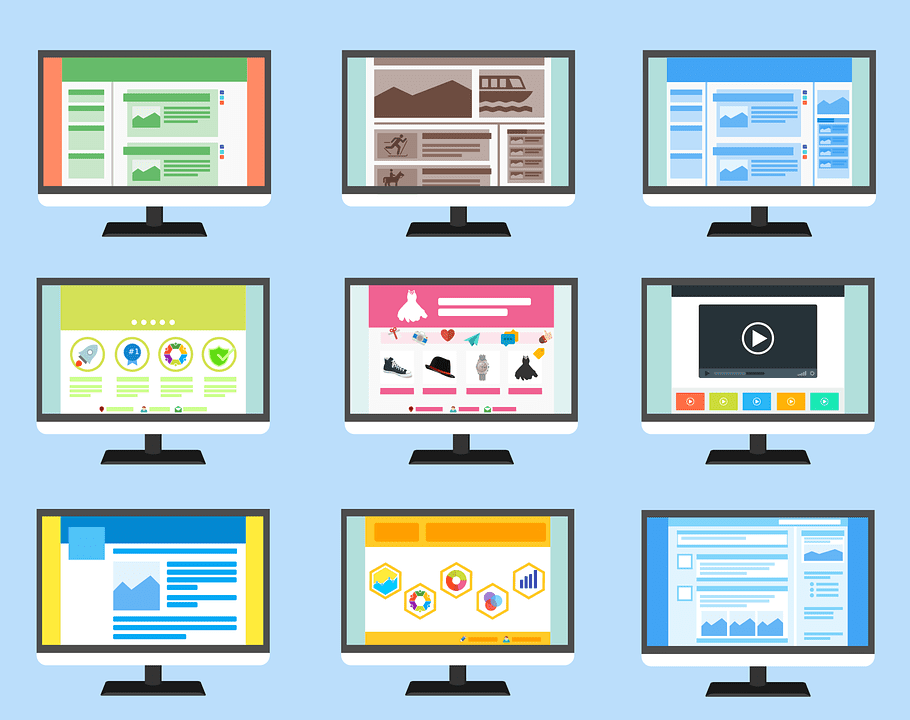
- Proliferation of UI Patterns – Responsive design resulted in the proliferation of similar-looking sites, something that consumers didn’t seem to mind. The maturing of different design patterns has resulted in very little leeway in terms of innovations. For example, a shopping cart will always look like a shopping cart. UI (user interface) patterns aim to guide users to a wholesome web experience. Visiting several websites will let users experience the same, familiar patterns, which include a hamburger menu, account registration, long scroll, card layouts, and hero images. Trends show that consumers like the comfort of these patterns.
- Rich Animations – Websites employed a lot of animation this past year to enhance the storytelling aspect of their sites. Animation can make the browsing experience more entertaining and interactive. Designers favor the distinct personality it can lend to a site. Large-scale animations can bring more user impact and effects, such as pop-up notifications. Small-scale animations include hover tools, loading bars, and spinners that require no input from the users.
- Microinteractions – These are quick response actions that occur without a second thought, such as turning off the alarm on your smartphone or clicking the “like” icon on Facebook. Many microinteractions are built into a website, asking the users to constantly engage. Microinteractions occur when you click on a status or check the result of a particular action. Microinteractions are an integral part of any digital design. They make the design human-centered and invite the user to respond, rather than just being a passive observer.
These design trends may undergo modifications in the coming year, but their basic underpinnings will likely be around for years to come.