
An effective logo is essential to the success of any business. A logo communicates the “first impression” of your company to your clients and distinguishes your brand in the marketplace, allowing you to stand out from the competition. A logo also provides a unique identity to your business and helps customers easily identify your products and services.
(Pixabay / rawpixel)
Logo design requires a tactical and careful approach. Your logo should embody your brand and highlight the company values without getting bogged down by so much detail that it loses visual appeal.
Here are a few steps to observe as you embark on your logo design process:
- Streamline — Your logo should be straightforward and uncomplicated. Don’t fall into the trap of embellishing your logo with flashy elements, as they could be distracting and overshadow your brand. Keep your design clean and visually appealing.
- Think ahead — While a logo may be updated from time to time, you cannot keep redesigning your logo on a regular basis. Trendy is nice for some purposes, but not for a logo. Create a design that will age gracefully — not one that will be outdated in a few years.
- Anticipate different uses — In designing your logo, consider the places where you will be using it. Typically, logos appear on business cards, brochures, ads, posters, social media sites, and more. Make sure your logo is flexible enough to look appealing in a variety of mediums.
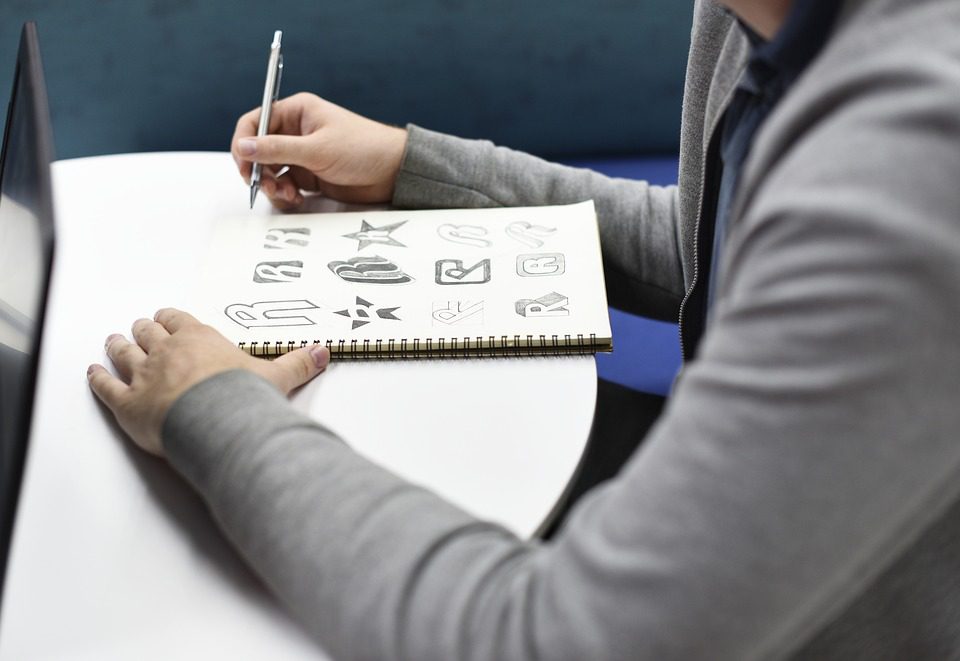
- Don’t rush — Do your research. Look at other logos to get inspiration, sketch your logo, and then send it out for feedback. Then, use that feedback to fine-tune your design.
Once you have designed your logo, remember to give it periodic facelifts. In time, you may want to adjust the color or some other element of the design to keep it fresh. Even the most timeless designs need a periodic boost.